
Barrel Blanket Insulation: Measuring the Savings
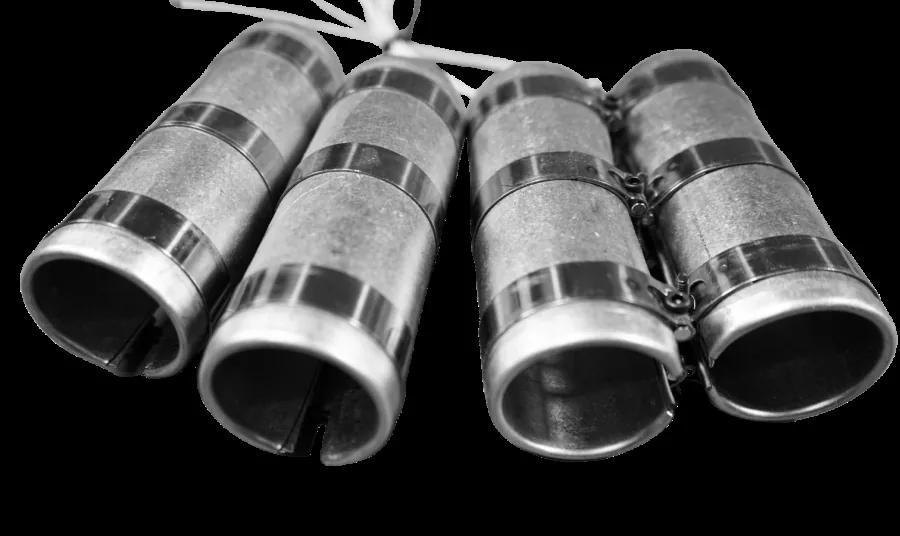
Barrel blankets are sold on a savings claim. Here is how to verify it on your own machines in about an hour, so the number in the business case is yours rather than a supplier's.
Baseline measurement
- Pick a machine running a stable, repeatable job.
- Log the heater energy for one full shift. A clamp meter on the heater circuit, or the machine's own energy page, is enough.
- Record barrel setpoints, ambient shop temperature and cycle time at the same time.
- Note the duty cycle — the percentage of time the heaters are actually on.
After installation
Fit the blankets, then log the same shift under the same conditions. Compare heater energy, not total machine energy — the injection unit's share is diluted by the pump and the clamp. A drop of 30 - 50% in barrel heating energy is the normal band; a poorly fitted blanket with gaps at the terminals will deliver 15%.
The secondary effects, which are often worth more
- Heat-up time falls, so the machine is productive sooner after start-up
- Zone stability improves because the controller is not fighting radiant loss
- Shop temperature around the machine drops several degrees, which matters in summer
- Heater band life improves because duty cycle falls
Where blankets do not help
If the barrel is water cooled and the cooling is running continuously, insulation will fight the cooling. If the blankets are removed for every color change and never refitted, the saving is zero. And if the machine is idle most of the week, the fixed savings are small — the case rests on running hours.
Simple payback is blanket cost divided by monthly energy saving. On a three-shift machine it is usually measured in months. See barrel blankets.
Related products