How a Centron Screw Is Made: From Drawing to Dispatch
The order flow behind every Centron screw and barrel: written specification before quotation, machining stages, per-drawing inspection and the records shipped with the batch.
Read moreNotes on screw geometry, wear, resin behaviour and the practical side of keeping a press running.
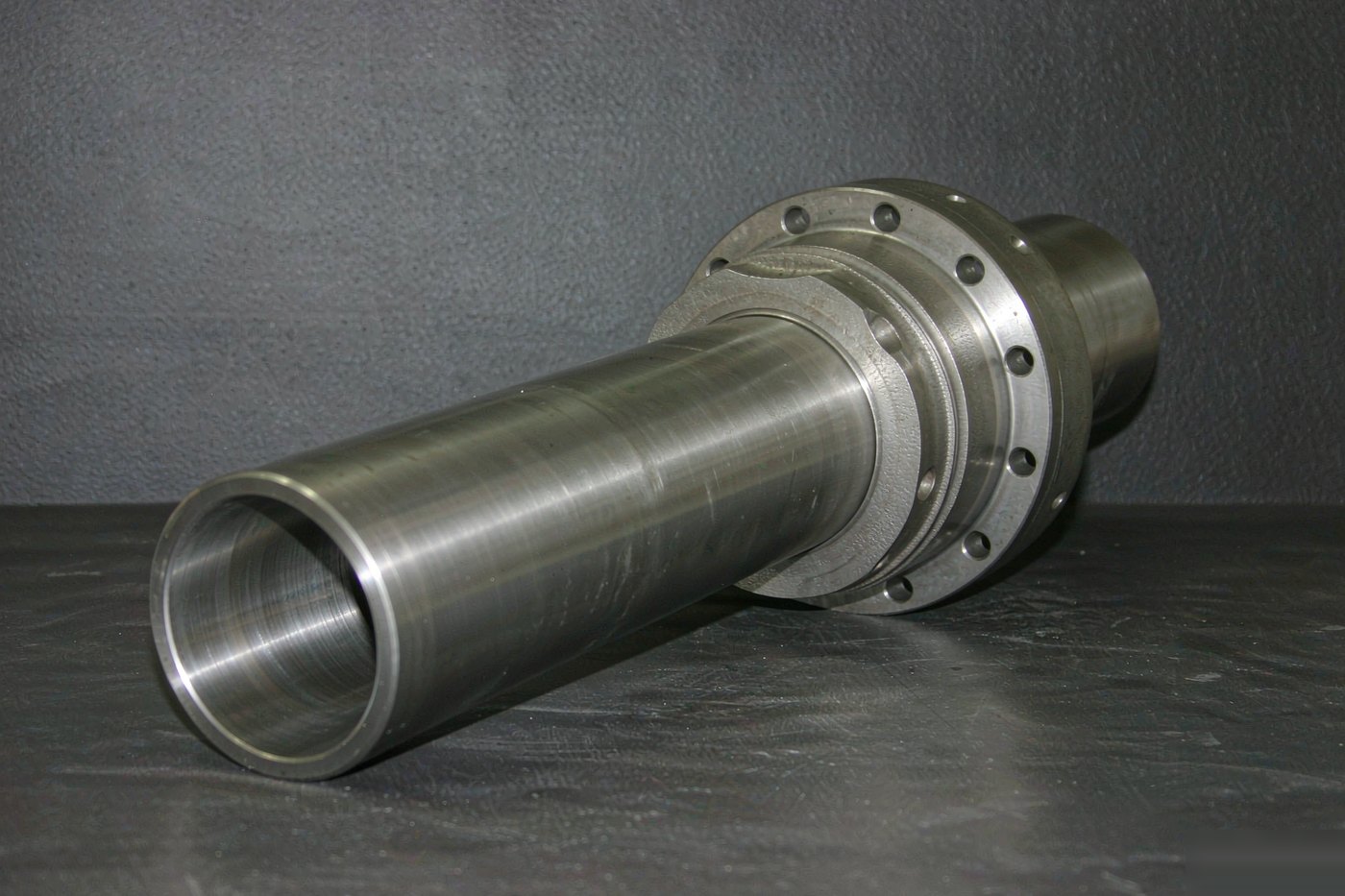
The order flow behind every Centron screw and barrel: written specification before quotation, machining stages, per-drawing inspection and the records shipped with the batch.
Read more
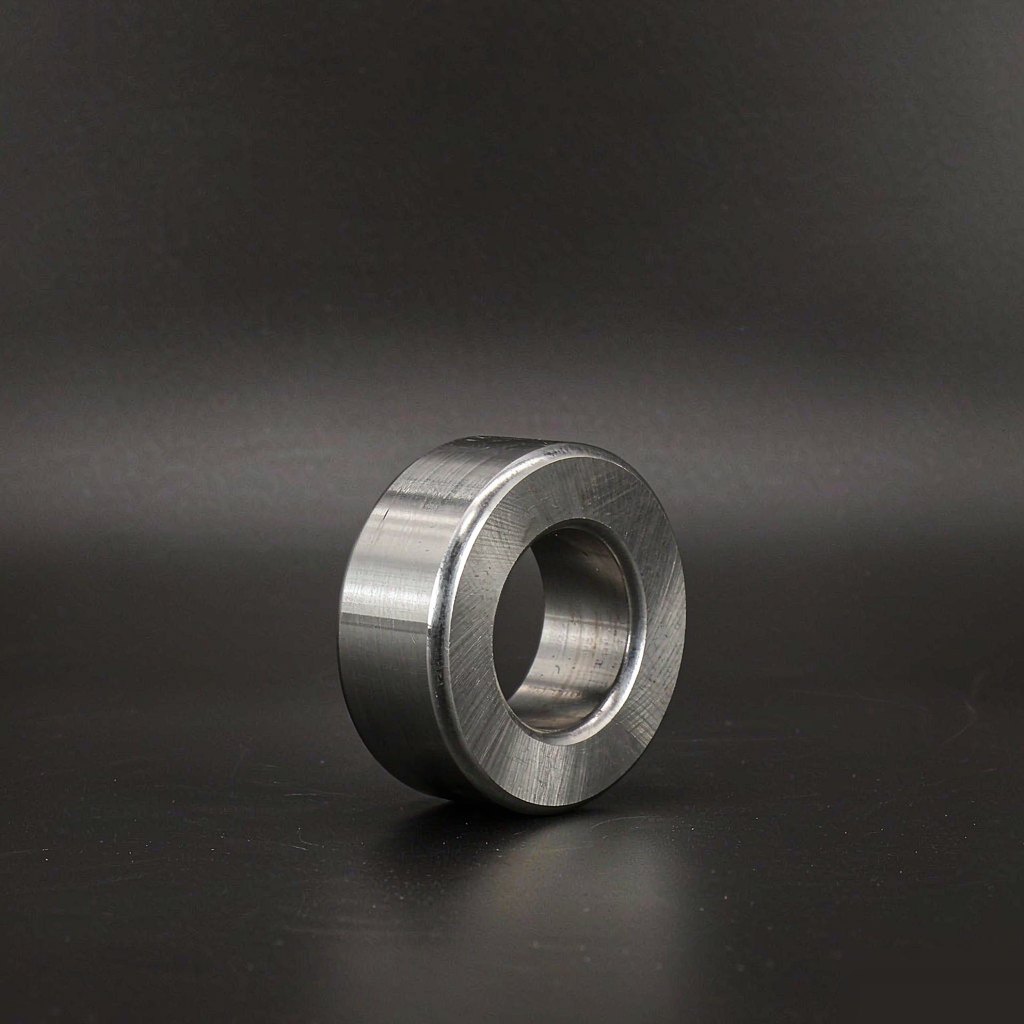
Base steels behind injection screws and how to choose between nitriding, hard chrome, bimetallic overlay and tungsten carbide by resin and filler.
Read more
Four process signs of check-ring failure - drifting cushion, part weight spread, rising shot demand and unstable packing - plus what to inspect at teardown.
Read more
What we confirm before machining a screw from a machine model alone: diameter and L/D, shank connection, feed-throat alignment and the geometry set by the resin.
Read more
How to measure screw-to-barrel clearance after teardown, indirect signs from process data, common reference ranges and when replacement is due.
Read more
The information needed for an accurate screw and barrel quotation: machine data, dimensions, resin, and what a drawing should show.
Read more
Why PVC demands a different screw geometry and corrosion protection, and how to avoid the burning and pitting that shorten equipment life.
Read more
How to inspect tie bars for wear, bending and thread damage, what the measurements mean, and when replacement is the cheaper option.
Read more
How nozzle orifice, tip radius and body length affect fill, stringing and freeze-off, with selection guidance by resin and part weight.
Read moreSend us a photo of the failed part and what you were running. We will tell you what usually causes it.