
PVC Processing: Screw Design and Corrosion Protection
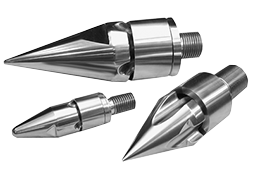
PVC is the resin that punishes equipment mistakes fastest. It is thermally unstable, corrosive when it degrades, and abrasive in rigid compounds.
Geometry
PVC needs a low compression ratio — typically 2.0 - 2.5:1 — and a deep, open metering channel. The goal is to convey and melt with minimum work, because every extra shear cycle moves the resin closer to releasing hydrogen chloride. A general purpose 3:1 screw run on PVC will produce burn marks that no temperature adjustment fixes.
Corrosion
Once HCl is released it attacks steel immediately, and the damage is self-accelerating: pits hold resin, resin degrades, more HCl. Protection options, in order of cost:
- Hard chrome plating on screw and barrel bore, 0.02 - 0.05 mm, good general protection
- Nickel or cobalt based alloy for the barrel liner, better in continuous PVC service
- Duplex stainless for the highest corrosion resistance, at a cost premium
- Nitrided only: acceptable for occasional PVC runs, not for continuous production
Process habits that matter more than the hardware
- Never leave PVC in a hot barrel. Purge before any stop longer than a few minutes.
- Keep melt temperature at the low end of the range and control it tightly.
- Use a purging compound designed for PVC; general purpose compounds can react with stabilisers.
- Avoid stagnant zones: free-flow tips, no sharp internal corners, generous nozzle orifice.
- Inspect for pitting annually, especially at the compression zone and behind the check ring.
If a screw has already pitted, reconditioning will not restore corrosion resistance unless the plating is stripped and renewed. Sometimes the honest answer is a new screw in a corrosion-resistant grade.
See screws, barrels and PVC material hose.
Related products